Why AI Is Becoming Essential Not Optional for Technical Documentation

Every few years, a new technology gets described as "essential" for an industry that had previously gotten along fine without it. Often, that framing is premature marketing. In the case of AI and technical documentation, there's a specific, structural reason the claim holds up better than usual and it has less to do with AI being fashionable and more to do with the sheer scale that modern technical documentation has reached.
The Scale Problem That AI Actually Solves
Large defence and industrial documentation programs now routinely involve tens of thousands of pages of content, drawn from dozens or hundreds of different subsystems and suppliers. At that scale, traditional search keyword matching, manual indexing, fixed navigation menus simply doesn't work well enough. The content volume outpaces what a conventional search mechanism can retrieve accurately and quickly.
This isn't a hypothetical concern. It's the specific, measurable reason so many well-built, standards-compliant IETMs end up underused in the field: not because the content is wrong, but because finding the right piece of it, quickly, under time pressure, has become genuinely difficult using conventional search tools once documentation reaches a certain scale.
Why This Is a Structural Shift, Not a Feature Trend
The argument for AI in technical documentation isn't "it makes things nicer." It's that once documentation crosses a certain volume and complexity threshold, the retrieval problem changes in kind, not just degree. Natural- language, AI-assisted search becomes the only practical way to make that volume of content genuinely usable by a person under time pressure not an enhancement to conventional search, but a different category of solution altogether.
What Happens Without It
Organizations that continue relying on conventional search mechanisms as documentation volume grows tend to see a specific, predictable pattern: the manuals technically contain the right information, but technicians increasingly fall back on informal knowledge, colleagues, or printed shortcuts, because searching the official documentation has become slower than the alternative. That outcome defeats the entire purpose of building interactive documentation in the first place.
Why "Optional" No Longer Describes the Situation Accurately
Framing AI-assisted search as an optional upgrade assumes that conventional search remains a viable baseline. At current documentation scales, particularly for programs spanning multiple OEMs and tens of thousands of pages, that assumption often no longer holds. AI-assisted retrieval isn't competing with conventional search on convenience it's addressing a retrieval problem that conventional search has, in practice, stopped being able to solve reliably at scale.
What This Means for Documentation Strategy Going Forward
For organizations planning technical documentation investments particularly for large, multi-subsystem, multi-OEM programs the practical implication is that AI-assisted retrieval shouldn't be treated as a nice-to-have evaluated separately from core documentation capability. It's increasingly part of what "functional documentation" means at scale.
Where the Industry Is Heading
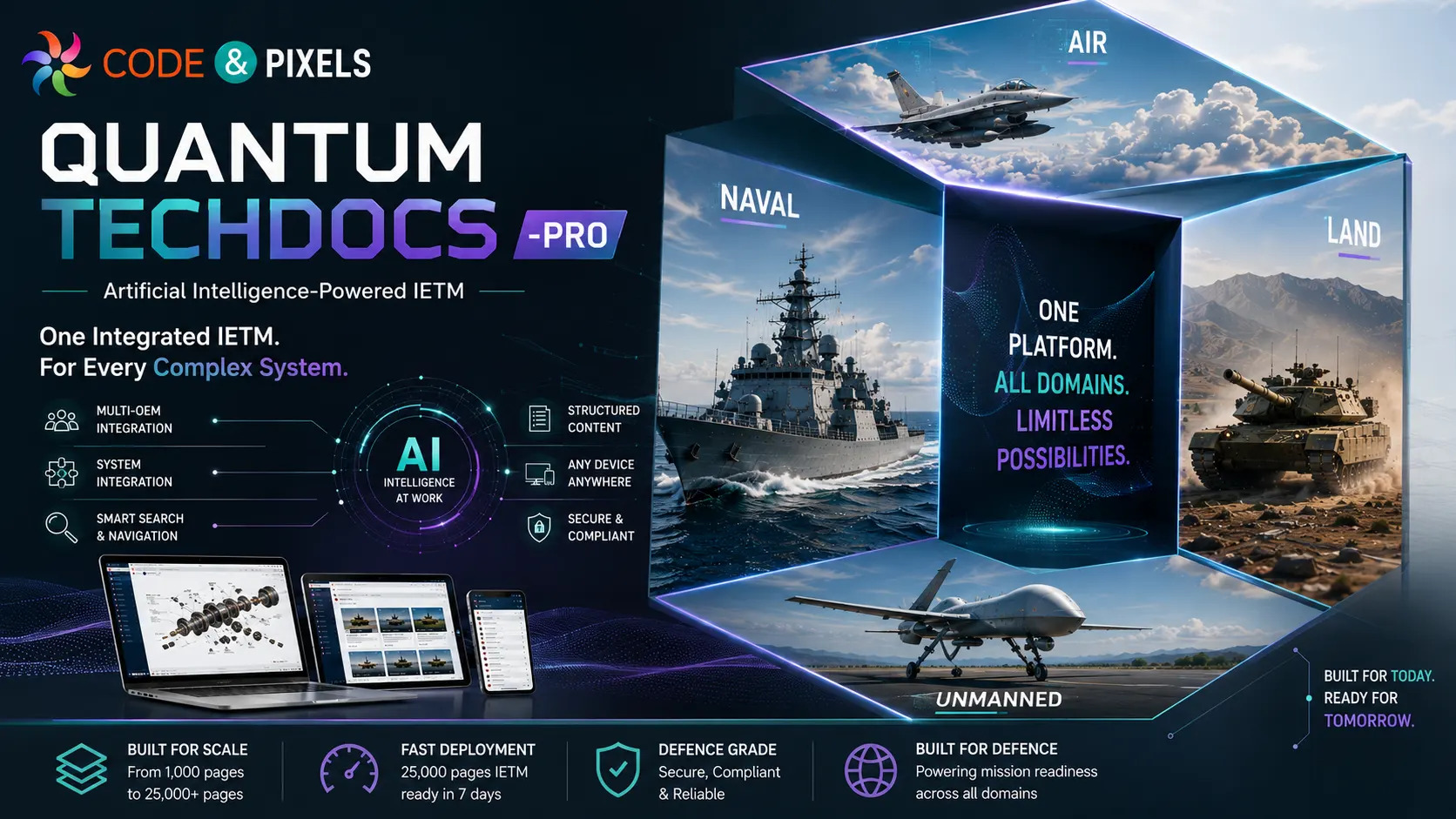
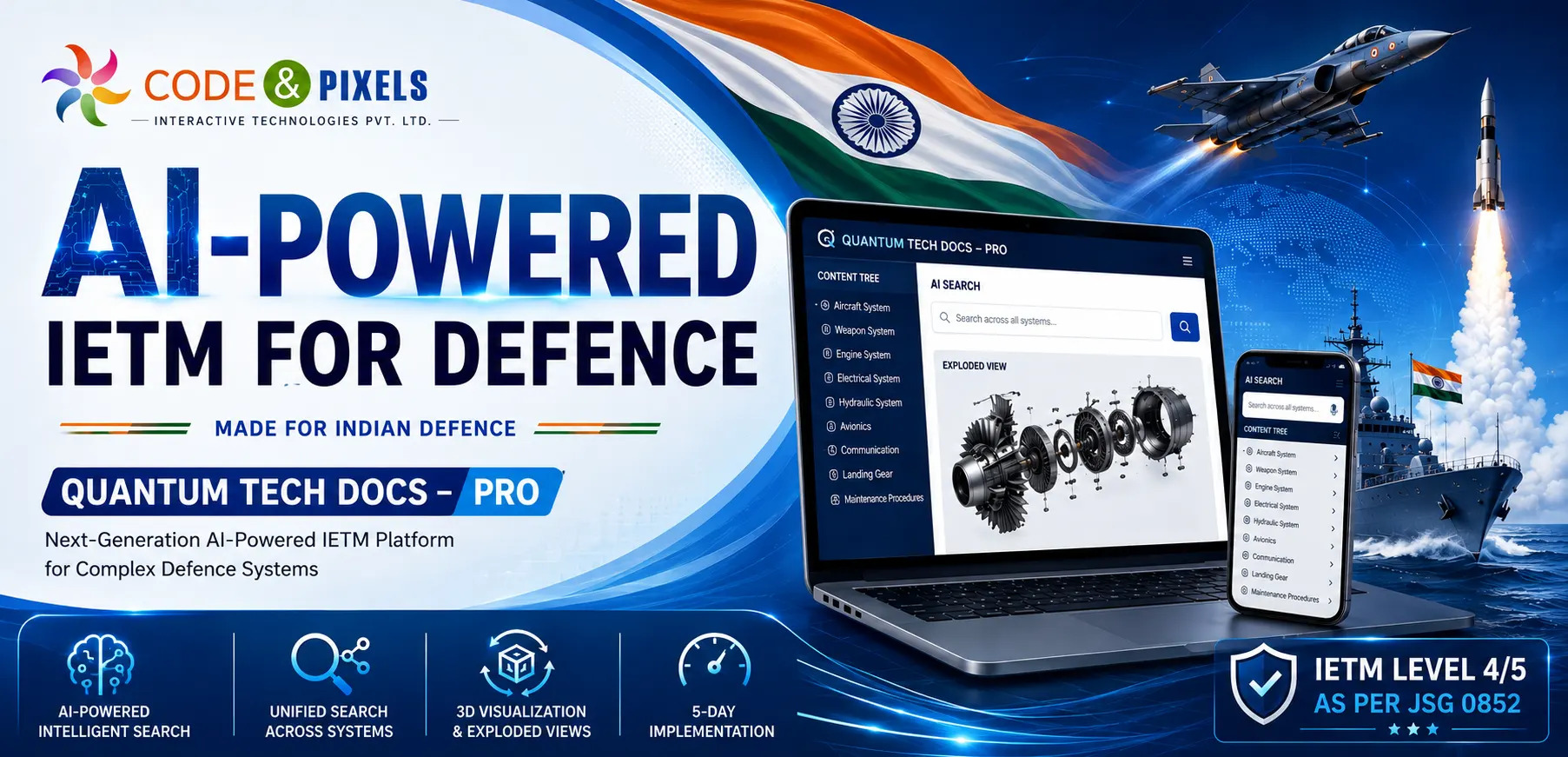
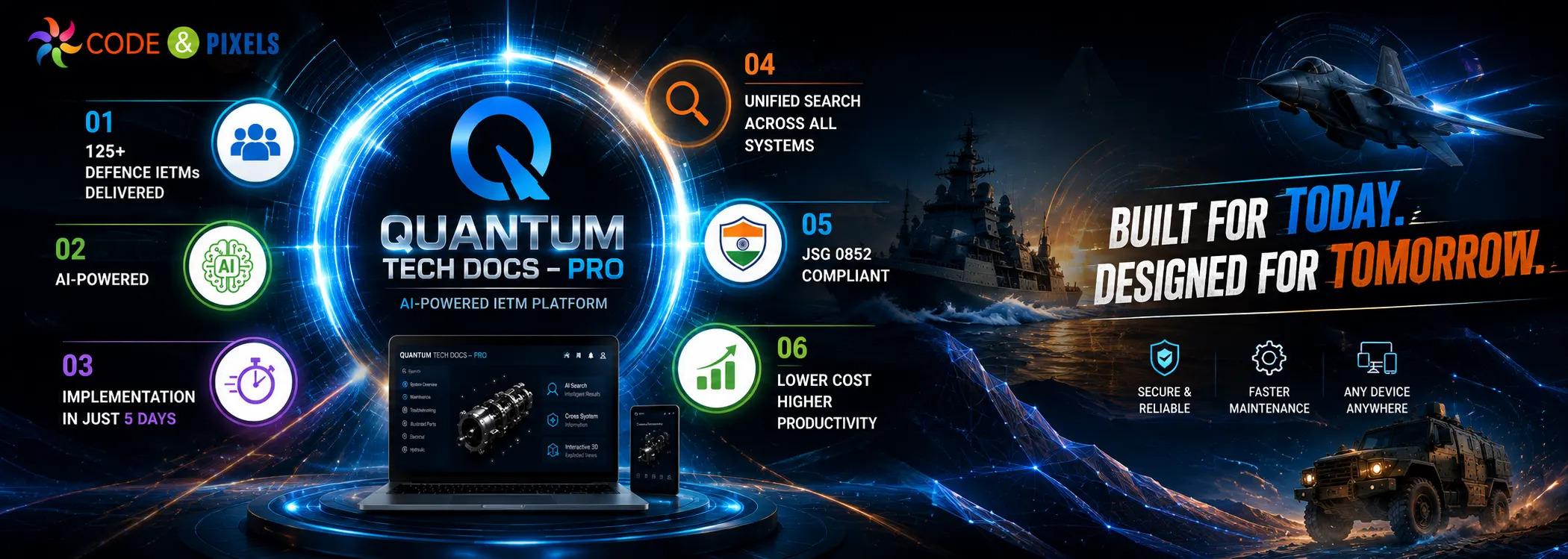
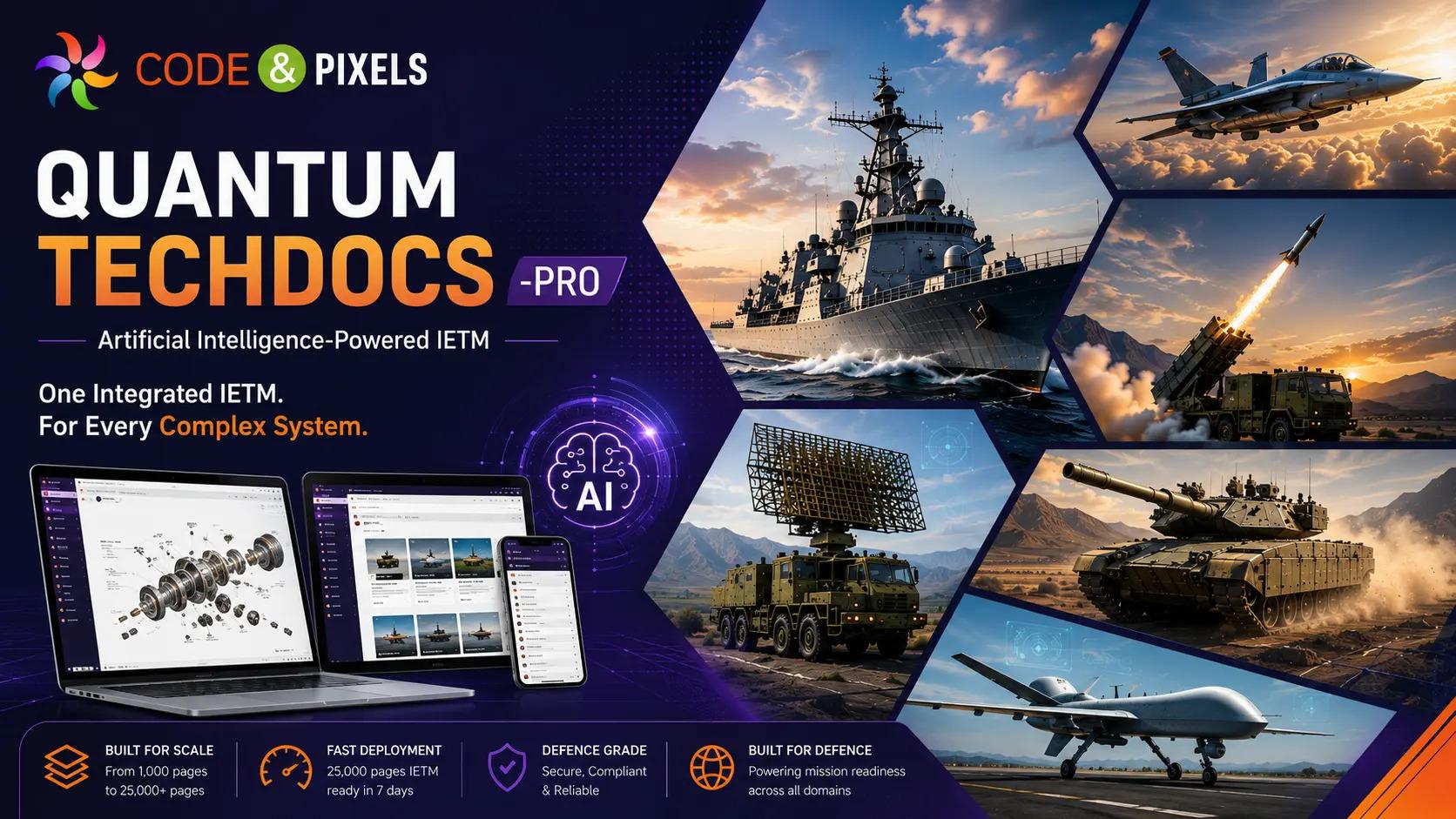
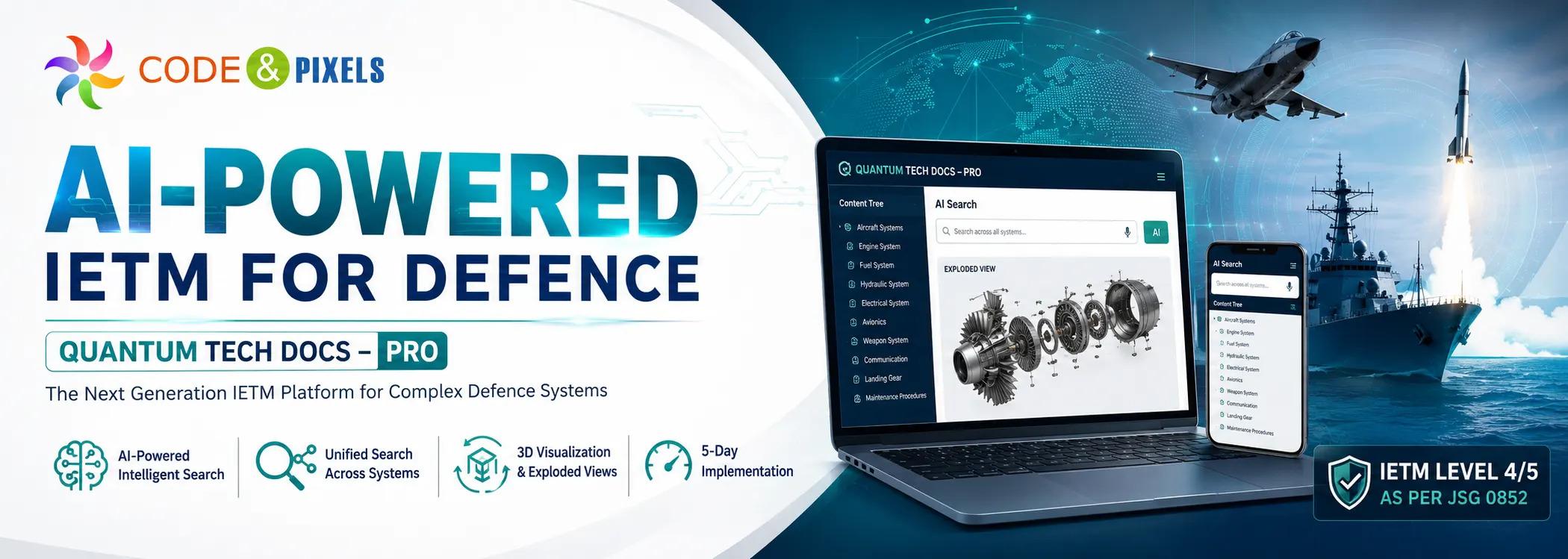
Platforms built around this understanding Quantum TechDocs from Code and Pixels among them are positioning AI-assisted search not as an add-on feature, but as core infrastructure for next-generation technical documentation. That framing reflects a genuine shift in what makes technical documentation usable, not simply an attempt to attach a fashionable label to an existing product category.
As documentation volumes continue growing across defence, aerospace, and industrial sectors, the organizations that treat AI-assisted retrieval as foundational rather than optional are the ones most likely to end up with documentation systems that technicians actually use, rather than systems that are simply compliant on paper.